| what is a bongo |

In the jargon of the colombian “gente del mar” ( people of the sea) which are the people that learned their business as young marine men sailing the “Gloria” what is kind of “bootcamp in the colombian navy” and which end up as the official authority in DIMAR and in the Marine Industry of Cartagena “bongo” means a small vessel that is not inside the range of “oceangoing serious marine vessel”

All the three men that attended us in DIMAR and the two men of heavy industry we talked to in the cartagena trip are part of this group.

The whole branch of DIMAR where we where ( second floor ) is called gente del mar -

There is a second branch that is called “litorales” that has a different funcion and deals with hotel constructions on the beach and stuff that affects the shallow sea ( litoral )
grafik

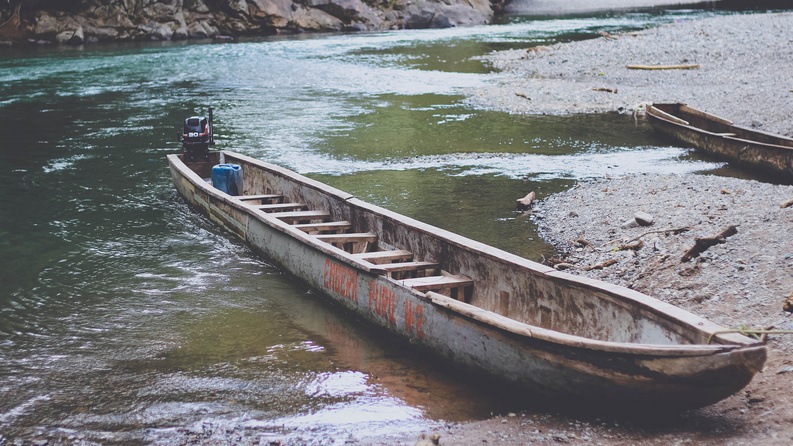
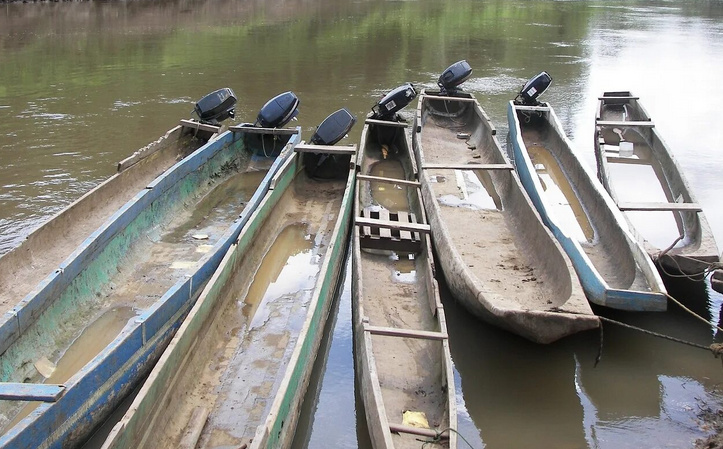
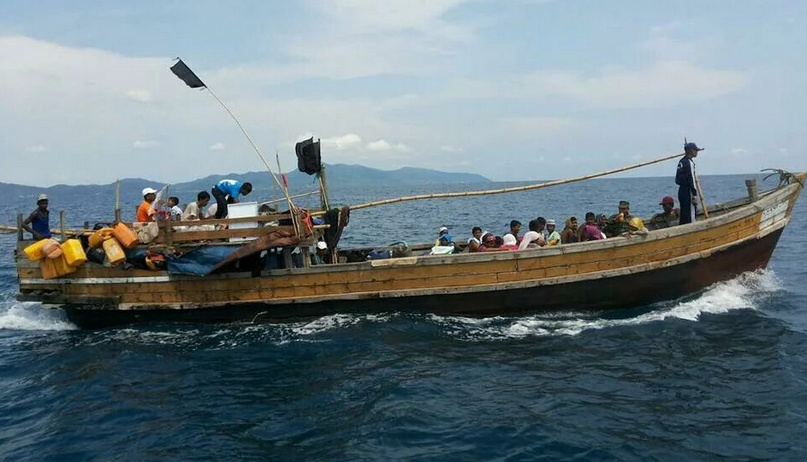
Although he original word “bongo” means “canoe” - and it is made of a tree trunk with a big outboard motor,

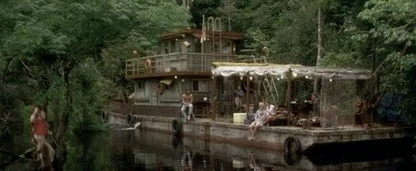
• This one which is technicly a “self propelled barge” as it has a diesel engine…
• or due to the fender tires as a “tugboat” - would also qualifiy as a “bongo”

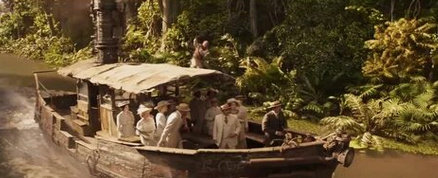
While this picture that comes from the film “anaconda” does not feature a barge register number.

In colombia DIMAR by law is called to “register and legalize the status as it is”

So DIMAR is called to give those people a official barge number and a captains licence if they show the abilitiy .

To fit that into a “marine legal frame” they have what they colloquial call a “bongo register” of minor makeshift crafts that are allowed and recognized to do stuff.

People are not required to change their lifestyle and burocratiziozed out of their liveliyhood -with ruling sets that only allow high grade modern marine vessels in the register - they are allowed to do what they have been doingg, they just asked to get a number and a stamp in the notary as we did. As you have seen it takes very little time and effort to do that althogh the paper mountain is considerable.

That is important to understand - this is not “overburocratization” it is just let the people work and have a reasonable oversight - what is the legal function of DIMAR


It is important to have that background to even be able to understand what the “perito” (advisor) at DIMAR said to us.


grafik

This one is from the film “african queen” if i am not mistaken …

In colombia it would also have a register number and a sea captain at dimar would call it a “bongo”
Although it is a “small makeshift steam propelled boat”.

Now this one which is a hollowed out tree and has a quite big outboard motor, is also a bongo - it is the kind of original boat the word bongo (african canoe) came from.

The owner of this has also a minor captains licence his boat is a registered boat that ships things around in the jungle … so he is a official transport enterprise with his paper in order-

Dimar would also call it a bongo but if we pretend to use it as tow boat to panama a guy who sailed the Gloria and knows what a storm at sea is, will probaly hesitate to stamp our “tow plan”

It would not be “burocratic hindering” he would claim that we have a “freeboard issue” in our “tow plan”.

This is the reason why your barge has a “freeboard certificate” that says it can navigate coastal seas - that they would not give to this specific bongo.

The dimar captain that gives out a tow plan permit for this kind of bongo for tow to panama would be laught at, by his gloria sailing colleges, and loose his face in the seafaring community and probably his captains licence.

grafik

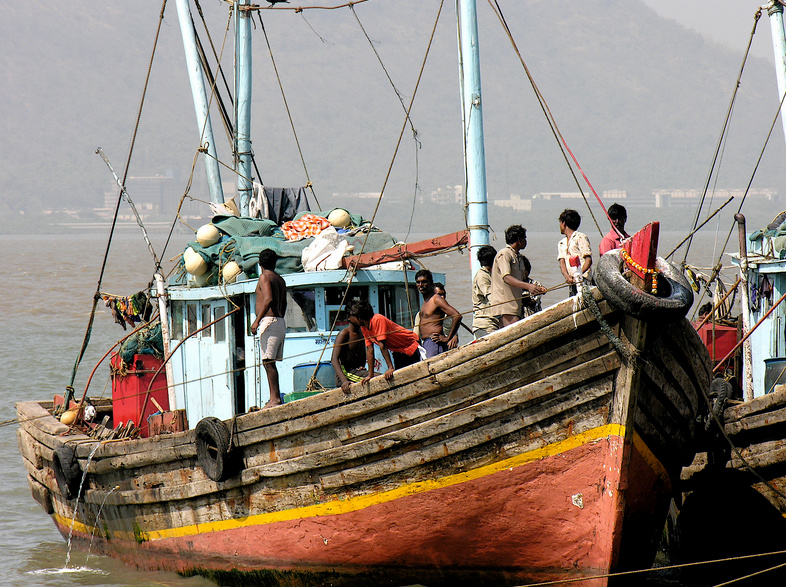
now this would still be a bongo but a mariner would recognize that is can sail to panama, and vessels of that kind sail to panama all the time with approval of DIMAR

So if we understand the marine towing market as it is…
From chepos TITAN with two train engines and where everything below 38K usd is an insult…

To the bongo segment where 1 M (usd 219 a day ) is a big big payday. And 20M is a feast.

We have to find the right offer and present the tow plan … in the tow plan you give them a foto of the tow boats … they check against their experience as sea-men and give or negate a stamp.

In fact the tow plan is the natural step to get the zarpe which is the “all ok to go today”.

They do not expect the owner of the barge (Rüdiger) to present tow plan and zarpe. The expect the guy who actually does the work (the bongo captain) to present those documents.

Gomez already said “pongale un bongo” this implies if we present a tow plan in the “upper bongo segment” with a captain that is known for “navigating the caribbean makeshiftly but decently” they will approve.

They don´t expect TITAN.